
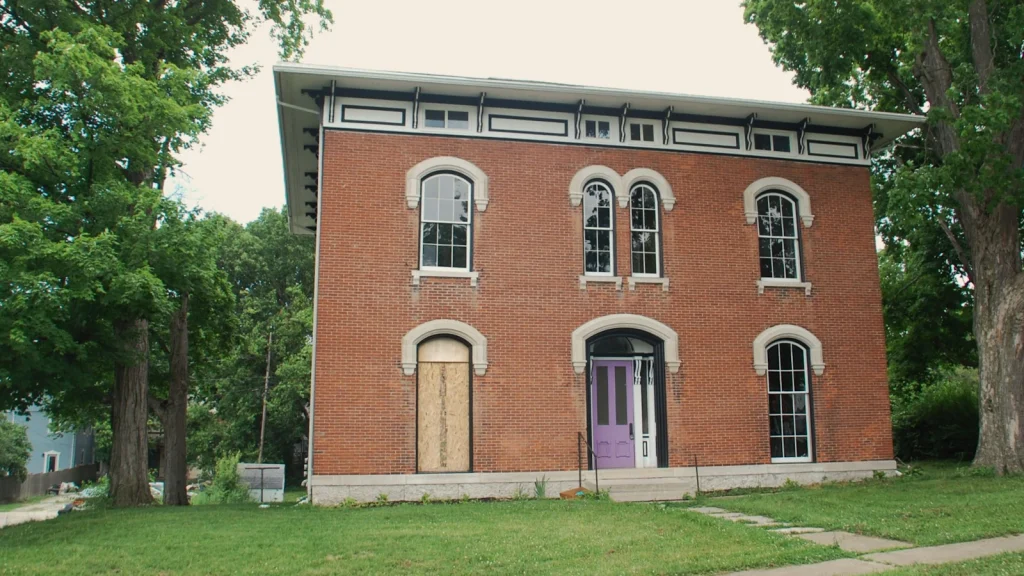
If a building in Chicago sits empty, the owner has to register it with the Department of Buildings within 30 days, insure it, post a sign and keep it secured and maintained. That duty stays with the owner until the building is occupied again, demolished or sold. The rules are not hard to follow, but the fines for ignoring them can add up quickly.
The short answer
Chicago requires owners to register a vacant building with the Department of Buildings within 30 days after it becomes vacant or within 30 days after taking ownership, whichever is later. Registration lasts six months and must be renewed while the building stays empty. The owner must carry liability insurance of at least $300,000 for a residential building, post a sign with the registration number and contact information, and keep the property secure. Violations carry fines of $500 to $1,000 per offense, and each day counts as a separate offense.
What counts as a vacant building in Chicago?
The city’s definition depends on the type of building. According to the Department of Buildings:
- Single-family homes and residential buildings with fewer than 10 units: vacant when no one is legally living there and no past resident intends to return within six months.
- Residential buildings with 10 or more units: vacant when 90% or more of the units are unoccupied.
- Non-residential buildings: vacant when substantially all lawful business has stopped. A guard or watchman does not make it occupied.
- Construction sites: vacant when permitted work has stopped.
A building damaged by fire or another event is considered vacant until repairs begin under a proper building permit, even while the owner is waiting on an insurance payment. Vacant lots do not have to be registered, but they still have to be kept clean and free of high weeds.
How do you register a vacant building in Chicago?
Registration is done online through the Department of Buildings vacant building registration portal. Here is what the city asks owners to do:
- Register within 30 days of the building becoming vacant, or within 30 days of taking ownership if you bought or inherited a building that was already empty.
- Pay the registration fee. The registration portal currently lists a lower fee for owners who register voluntarily and on time, and a higher fee when the city finds the building first. Check the portal for the current amount before you file.
- Renew every six months for as long as the building stays vacant. Each renewal carries its own fee.
- Update the registration within 20 days if any of the information changes.
- Deregister within 20 days after the building is reoccupied, demolished or sold.
The city’s vacant buildings FAQ links to the registration system and lists the current requirements.
What insurance does a vacant building need?
Under the vacant building ordinance, the owner must obtain or keep liability insurance within 30 days. The minimum coverage is:
| Building type | Minimum liability coverage per occurrence |
|---|---|
| Residential | $300,000 |
| Commercial, industrial, storage or other | $1,000,000 |
The owner also has to tell the Commissioner of Buildings in writing within 30 days of any lapse, cancellation or change in coverage. Separately, read your own homeowners policy. Many standard policies limit coverage once a home has been empty for a while, so call your agent to confirm what is still covered.
What are the sign and securing rules?
The sign
The sign has to be posted in a prominent spot, readable from the nearest public street or sidewalk. It must show the vacant building registration number and the names, addresses and phone numbers of the owner and the owner’s agent. If someone else manages the building day to day, their contact information goes on it too.
Securing the openings
Doors and windows that are intact and locked can stay as they are. Plywood is allowed only during the first six months of vacancy. After that, the city’s guidance says openings must be fitted with new secure doors or windows, bricked up to match the wall, or covered with commercial-grade metal security panels. A monitored alarm can be required if the building has repeated break-ins.
Ongoing maintenance
The Department of Buildings also expects owners to:
- Cut grass, pull weeds and remove garbage and debris from the lot.
- Clear snow from the sidewalk and control rats and other pests.
- Keep the roof, gutters, porches, stairs and foundation in repair.
- Winterize or maintain the plumbing and heating.
- Visit the property regularly to confirm it is clean and secure.
A building that falls behind on these items can draw building code violations, which can make a later sale more complicated.
What happens if you don’t register?
The ordinance sets fines of $500 to $1,000 per offense, and every day a violation continues is a separate offense. Unpaid fines can become a lien on the property. The city brings these cases at the Department of Administrative Hearings or in the Circuit Court of Cook County, and in serious cases it can seek authority to board up or demolish the building. The registration fee is also higher when the city identifies the building before the owner registers it.
Does the owner still have to register during foreclosure, probate or a fire claim?
Usually, yes. A few situations catch owners off guard:
- Foreclosure: A foreclosure lawsuit does not end ownership. The city says the owner stays responsible for registering and maintaining the building until a judge signs an order approving the sale and the deed is recorded, which can take six months to several years. If you are behind on payments, our page on stopping foreclosure in Chicago covers your options.
- Inherited homes: Whoever holds title is responsible once the house is empty. Estates often leave a house vacant for months while the paperwork moves through court.
- Fire damage: The building stays vacant, and must stay registered, until permitted repairs begin. If you are weighing repairs against a sale, see how we buy fire-damaged houses in Chicago.
- Bankruptcy: The city notes that bankruptcy alone does not transfer ownership. A deed has to be recorded.
Can you sell a vacant building in Chicago?
Yes. Being registered as vacant does not stop a sale. After closing, the seller deregisters within 20 days, and the buyer becomes responsible for registering within 30 days if the building stays empty. Open violations or unpaid fines may still need to be resolved or paid from the proceeds, so ask the title company to check early. The usual city paperwork still applies, including the Full Payment Certificate for the water account, and a final meter reading means someone has to give the crew access.
How selling a vacant house to us works
We have been buying houses across Chicagoland for more than 20 years and have purchased over 500 of them, with 120+ five-star ratings from sellers. We buy vacant houses in Chicago in any condition, as-is, including boarded buildings and houses with open violations.
- You get a fair cash offer within 24 hours, and we show you the math behind it.
- There are no commissions or fees. We pay the normal closing costs and all transfer taxes, state, county and city.
- We can close in as little as 2–3 weeks, or on the date you choose, at a local title company.
Every month a building sits empty adds insurance, renewals, upkeep and risk. A quick sale ends those costs. That said, if the house is in good shape, the violations are minor and you have time, listing with an agent may bring a higher price. Read more about how our process works or see the Chicago neighborhoods where we buy.
Tired of paying to keep an empty building secure? Request your free, no-obligation cash offer, or call or text (773) 825-9855 to talk it through.
This guide is general information, not legal or tax advice. City fees and rules change, so confirm current requirements with the Department of Buildings or your attorney.