
Chicago house needs repairs? Sell it as-is.
We buy Chicago and Cook County houses in the condition they’re in today, from a leaking roof or crumbling mortar to a wet basement or old wiring, and you don’t fix, clean or update anything first.
Get an as-is cash offer
No obligation. We never sell your info. Prefer to talk? Call or text (773) 825-9855.


Selling a Chicago house that needs work
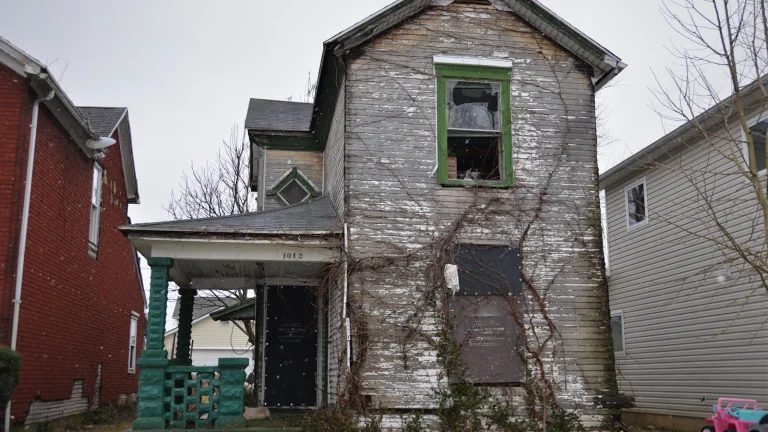
Much of the housing in Chicago and the inner suburbs is brick and frame construction that has stood for generations. Older houses are built to last, but their systems wear out, and the bill for catching up can arrive all at once. These are the problems we see most often:
- Roofs. Flat roofs on two-flats and worn shingles on bungalows and cottages, often with leaks that have already reached ceilings.
- Masonry. Brick needs tuckpointing as mortar erodes. Left too long, it can lead to loose brick, water getting in and parapet or chimney repairs.
- Foundations and wet basements. Cracks, seepage and sewer backups after heavy storms are common in older basements.
- Wiring. Knob-and-tube or undersized service can limit insurance options and needs an electrician’s review.
- Plumbing. Galvanized supply pipes corrode from the inside. Chicago also has an estimated 400,000 lead service lines carrying water from the street to homes.
- Heating. Older boilers and radiator systems, and furnaces near the end of their life.
- Lead paint. Any home built before 1978 may have it, and peeling or chipping paint is a hazard.
One or two of these items rarely scares off a buyer when the rest of the house is in good shape, and an agent may get you a strong price. A cash sale tends to fit when several problems stack up, when you can’t pay for repairs out of pocket, or when a contractor’s bid has grown past what the work is likely to add to the price.
Selling as-is means the buyer takes the house in its current condition. It does not erase your disclosure duties.
- Complete the Illinois disclosure report.
The Residential Real Property Disclosure Act covers houses and buildings with 1–4 units, including condos. You give the buyer the report before a contract is signed and disclose material defects you actually know about. The law doesn’t require you to go looking for problems.
- See if your sale is exempt.
Some sellers are exempt, including court-ordered sales, fiduciaries handling an estate, trust or guardianship, transfers between co-owners, and transfers to a spouse, parent or child. Your attorney confirms which rules apply.
- Add the lead disclosure for pre-1978 homes.
Federal rules require you to share what you know about lead paint and any reports, give the buyer the EPA pamphlet, include a lead warning statement in the contract and offer a 10-day window for a lead inspection, which the buyer can waive.
- Update the buyer if something changes.
If you learn about a new problem before closing, Illinois law requires a written supplement to your disclosure.
Ways out, compared
A fully updated house usually draws the highest price on the open market. You pay for the work up front, manage contractors and permits, and carry the house until it sells.
Handling the roof, safety issues or anything a lender will flag can widen your buyer pool without a full rehab. Some sellers offer a credit at closing instead of doing the work.
Investors and buyers using renovation loans shop for houses that need work. Expect inspections and renegotiation, and a financed buyer’s appraisal can still call for repairs.
We buy as-is with no repairs and no lender appraisal, pay the normal closing costs and all transfer taxes, and close on your date.
Repair first or sell as-is? How to compare
The right answer depends on your house, your budget and your time. Before you hire anyone, put both paths side by side.
- Get written bids. Ask two or three licensed contractors to price the same scope. Hidden problems often show up once walls, roofs or floors are opened, so plan for some overage.
- Count the carrying costs. Property taxes, insurance, utilities and any mortgage payments continue for every month the work and the sale take.
- Allow for permits and inspections. Roofing, electrical, plumbing and structural work usually needs a permit, which adds time.
- Estimate the sale after repairs. Ask an agent what comparable updated homes nearby have sold for, then subtract commission, closing costs and any buyer concessions.
- Compare it with an as-is offer. Subtract repair, carrying and selling costs from the after-repair price and compare that net with a cash offer for the house today.
If repairs clearly leave you ahead and you have the cash and time, repairing can make sense. We show you how we got our number so you can make that comparison.
Why a financed buyer’s lender may require repairs
Most buyers borrow, and their lender has standards for the house as well as the buyer. That can surprise sellers who expected to sell as-is.
- FHA loans. The appraiser checks the home against HUD’s minimum property requirements for safety, soundness and security. In homes built before 1978, peeling or chipping paint is treated as a possible lead hazard and has to be fixed. Required repairs are generally completed before the loan funds.
- Conventional loans. Under Fannie Mae’s guidelines, problems that affect safety, soundness or structural integrity lead to an appraisal made “subject to” repairs. Homes in the poorest condition rating aren’t eligible at all.
- Renovation loans. Some buyers use loans that fund repairs after closing. These involve contractor bids and extra steps.
When a buyer’s lender calls for repairs, the seller is often asked to do the work, offer a credit or lower the price. A cash sale has no lender appraisal, so that step doesn’t come up.
“I was trying to fix the house myself but ran out of time and money. It needed way more work than I thought: electrical, roof, plumbing, pretty much everything. They gave me a cash offer and closed in two weeks. I was finally free of it.”
Three steps. You pick the closing date.
- Tell us about the house
Fill out the form or call (773) 825-9855. A few quick questions, no pressure.
- Get a fair cash offer in 24 hours
We look at the house with you and show you how we got the number. No obligation.
- Close on your date
As soon as 2–3 weeks, or take more time. We close at a local title company and pay your closing costs.
Questions sellers ask
Can I sell a house as-is in Chicago?
Yes. You can sell in current condition to any buyer who agrees to it. You still complete the Illinois disclosure report unless your sale is exempt.
Do I have to disclose problems if I sell as-is?
Yes, in most sales of 1–4 unit homes. Illinois requires sellers to disclose material defects they actually know about, even when the buyer takes the house as-is.
My house was built before 1978. What do I need to do?
Share what you know about lead paint and any reports, give the buyer the EPA lead pamphlet and include the lead warning statement in the contract.
Will an FHA buyer’s lender make me fix things?
It can. If the appraiser finds safety or soundness problems, or peeling paint in a pre-1978 home, those items are usually repaired before the loan funds.
Do you buy houses with foundation or basement water problems?
Yes. We buy houses with cracked foundations, seepage and past flooding. Tell us what you know, and we factor it into the offer.
Does knob-and-tube wiring stop a sale?
Not with us. It can make insurance and financing harder for retail buyers, which is one reason owners of older homes call us.
Should I tuckpoint or replace the roof before selling?
Only if the numbers work. Compare the repair cost and time with the price difference it makes, and get an as-is offer before you commit.
What does a cash buyer look at during the walk-through?
We look at the roof, masonry, foundation, mechanicals, plumbing and electrical, then explain how each item affects our offer.
 Sell Your House Fast in Chicago Without Repairs