
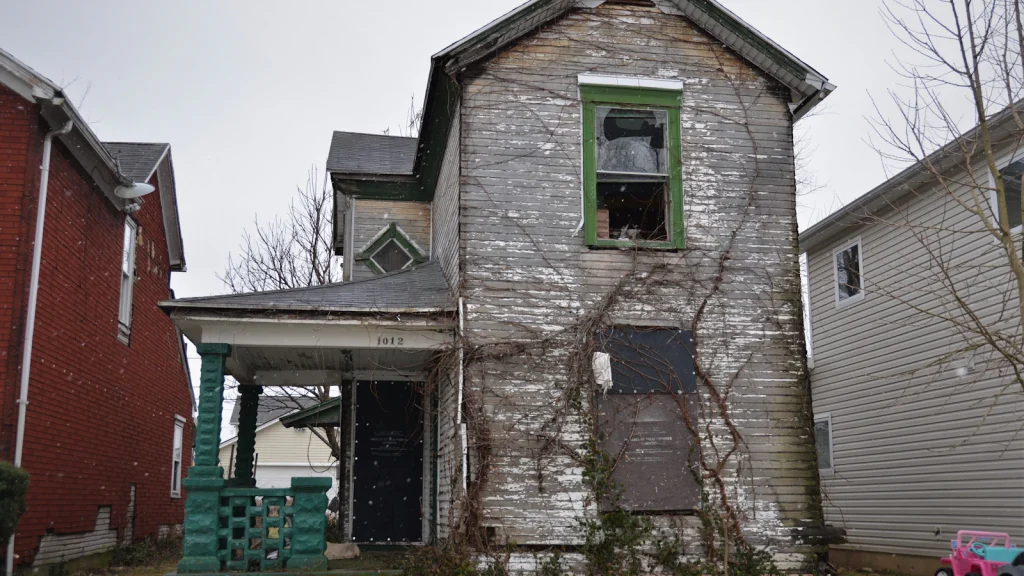
Most houses that sit on the market in Chicagoland don’t sit there because of price. They sit because something is wrong with them: a roof near the end of its life, a wet basement, knob-and-tube wiring, open city violations, or a kitchen nobody has touched since 1975. A buyer using a mortgage needs the house to pass the lender’s inspection and appraisal, and that’s where a lot of sales fall apart.
You have two ways around that. You can fix the problems and list, or you can sell the house as-is to a buyer who doesn’t need financing. This guide walks through the second option and when it actually makes sense.
What selling as-is means
Selling as-is means you sell the house in its current condition. You don’t make repairs, you don’t clean it out, and you don’t give the buyer credits for problems found during inspection. The buyer prices the condition into the offer up front.
Cash buyers like us can do this because we don’t depend on a lender’s approval. We plan and pay for the repairs ourselves after closing.
Houses that are usually easier to sell as-is
- Fire, water or foundation damage
- Inherited houses full of belongings
- Rentals with tenants or deferred maintenance
- Vacant houses with back taxes or water bills
- Houses with open code violations from the city or village
- Older brick bungalows and two-flats that need a full update
How the process works with us
- Tell us about the house. Fill out the form on this page or call (773) 825-9855.
- We walk through it with you. We look at the house, then show you how we arrived at the number: recent nearby sales, what we think the repairs cost, and our costs to hold and resell.
- You pick the closing date. As soon as 2–3 weeks, or later if you need time. We close at a local title company and pay your normal closing costs.
What it costs you
The trade-off is price. A cash buyer pays less than a fully renovated house would sell for, because the buyer is taking on the repairs, the risk and the time. What you save is the cost of repairs, agent commissions, months of mortgage, tax and utility payments while the house is listed, and the chance of a deal falling apart over inspection.
If your house only needs paint and carpet, listing with an agent will usually net you more, and we’ll tell you that. If it needs a roof, a furnace, electrical work and a cleanout, an as-is sale is often the better math.
Village and city requirements still apply
Many Chicago suburbs require a point-of-sale inspection, a final water reading or a compliance certificate before a sale can close, even when the house is sold as-is. When you sell to us, we handle those requirements with the title company. You can see the specific rules for your town on our areas we buy pages.
Common questions
Do I need to clean out the house?
No. Take what you want and leave the rest.
What if there are open violations?
We can usually buy with violations open and resolve them after closing. Tell us about them up front so the title company can plan for it.
Is there any fee or commission?
No. We pay normal closing costs, and there’s no commission. Anything owed on the house, like a mortgage or liens, is paid from the sale at closing.
Related guides: selling a house that needs repairs, selling an inherited house and options if you’re facing foreclosure.