
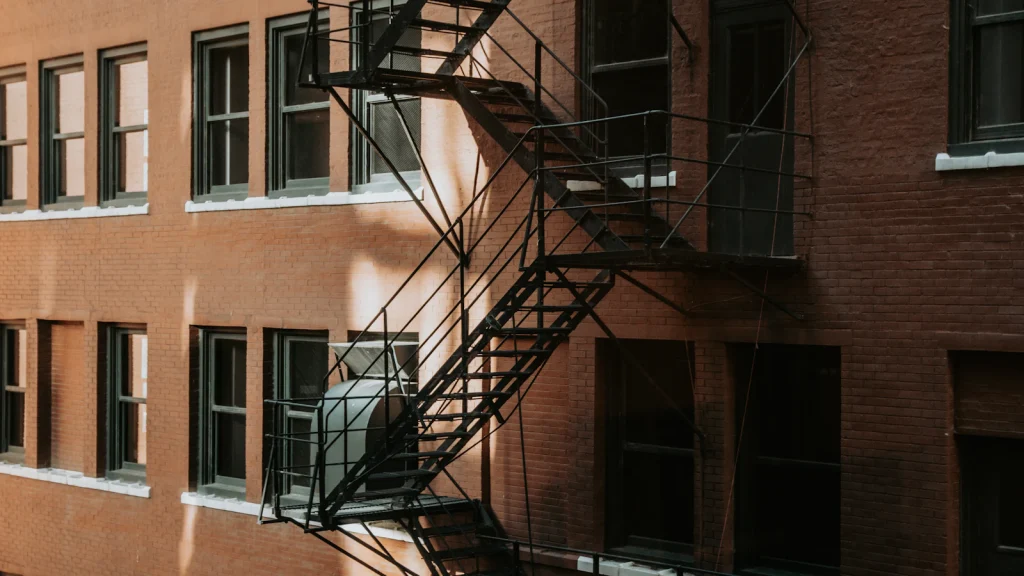
Yes. You can sell a house in Chicago with open building violations, and nothing in city or state law stops the sale itself. What changes is who will buy it, how the price is set and what you have to tell the buyer. The violations stay with the building, so a buyer is really pricing in the repairs and any open case.
The short answer
Chicago building violations do not block a sale or the deed. You can fix them first, sell with a credit to the buyer, or sell as-is to a buyer who takes on the work. In most 1 to 4 unit sales, Illinois law requires you to disclose a notice of violation that has not been corrected. If there is an open case at the Department of Administrative Hearings or in the Circuit Court of Cook County, talk to your attorney about how it will be handled before you sign a contract.
How do you find out if your Chicago house has building violations?
Start with the city’s own records. The Department of Buildings lets you search building violations online by address. A search can show permits, inspections, code enforcement case activity and the alleged violations the department has cited, as long as the city’s electronic system has data for that address.
Other places violations show up:
- A notice in the mail or posted on the building. Hearing notices can be mailed or, in some cases, posted at the property.
- The title commitment. A recorded lien from an unpaid judgment will appear when the title company searches the property.
- The buyer’s inspection or lender. An inspector may flag the same problems the city did, such as porches, electrical work or an unpermitted unit.
If you inherited the house or have not lived there in years, search early. Owners are sometimes named in a case because their name came up in a title search.
Administrative hearings vs. housing court: what is the difference?
Chicago building violations are usually handled in one of two places.
| Where | What it handles | What it means for a sale |
|---|---|---|
| Department of Administrative Hearings, Buildings Division | Building code violations cited by the Department of Buildings, heard by an administrative law judge | You can show proof of repairs at the hearing. Unpaid judgments can become liens on the property. |
| Circuit Court of Cook County, Housing Section (Daley Center) | Housing code cases, demolition cases, appeals from administrative hearings and other building matters | A judge can order repairs or other relief. A pending court case needs a plan before closing. |
At an administrative hearing, fixing the problem the day of the inspection does not end the case on its own. The city treats the violation as existing on the inspection date, so you bring proof of the repairs to the hearing. If no one shows up, the case can go forward by default. Final orders can be appealed to the Circuit Court of Cook County within 35 days.
The Housing Section of the Circuit Court sits at the Daley Center and hears municipal housing code cases, demolition matters and appeals from the city’s administrative hearings department.
Do building violations transfer to the new owner?
The physical problems do. A broken porch or an illegal basement unit is still there after closing, and the new owner is responsible for the building from that point on. That is why buyers either want the work done or want a lower price.
Money owed is a separate question. Fines and judgments from a case are tied to the owner at the time, and a judgment that has been recorded as a lien shows up on title. The title company will generally want recorded liens paid or released at closing, often out of the seller’s proceeds. For a lien that came from an administrative hearings judgment, the city directs owners to the Department of Revenue for payoff information.
An open case is the gray area. Do not assume it ends when you sell. Ask your attorney whether the case should be resolved before closing, continued with the buyer’s agreement, or handled another way, and get that in writing.
Do you have to disclose building violations when you sell?
In most cases, yes. The Illinois Residential Real Property Disclosure Act covers property with one to four units, plus condos and co-ops. The required form asks whether you have received notice of a violation of local, state or federal laws or regulations relating to the property that has not been corrected.
- Answer what you know. The form is based on your actual knowledge. It does not require you to hire anyone to investigate.
- Some sellers are exempt. Examples include fiduciaries selling during estate or trust administration, court-ordered transfers, foreclosure-related transfers and transfers between co-owners.
- Exempt does not mean hidden. A buyer will usually find recorded liens and city records anyway. Being upfront tends to keep a deal together.
Should you fix the violations or sell as-is?
It depends on the violations, your budget and your timeline.
- Fix first when the list is short, the repairs are clear and you can get permits and contractors lined up. A clean building sells to more buyers, including those using standard loans.
- Offer a credit when the work is moderate and a buyer is willing to handle it after closing.
- Sell as-is when the work involves permits, structural or porch repairs, unpermitted units or an active case you would rather not manage. This is common with houses that need major repairs, vacant buildings and inherited property.
A building that is also vacant may have its own rules, covered in our guide to Chicago vacant building registration. If the property is in the suburbs, a village may require its own inspection before transfer, explained in our guide to point-of-sale inspections.
How selling a house with violations to us works
We have bought houses in Chicagoland for more than 20 years, with 500+ houses purchased and 120+ five-star ratings. We buy in any condition, as-is, including buildings with open code violations, so you do not need to make repairs or pull permits before you sell.
- You get a fair cash offer within 24 hours, and we show you the math behind it.
- There are no commissions or fees. We pay the normal closing costs and all transfer taxes: state, county and city.
- We close at a local title company in as little as 2–3 weeks, or on the date that works for you.
Read more about how our process works, check our frequently asked questions or see where we buy across Chicago.
To be fair about it: if the violations are minor, you can fix them quickly and you have time to wait for a financed buyer, listing with an agent may bring a higher price. A cash sale makes the most sense when the repair list is long, the case is active or you need a firm closing date.
If you want a number to compare against your other options, request a free, no-obligation cash offer or call or text (773) 825-9855 to talk it through.
This guide is general information, not legal or tax advice. Building code enforcement and court procedures change, so confirm how your specific case will be handled with an Illinois attorney before you sell.